Technology solutions
How the system is designed, why it is based on standard industrial equipment, and what happens when the main control fails.

Construction and architecture
01 - Industrial Technology
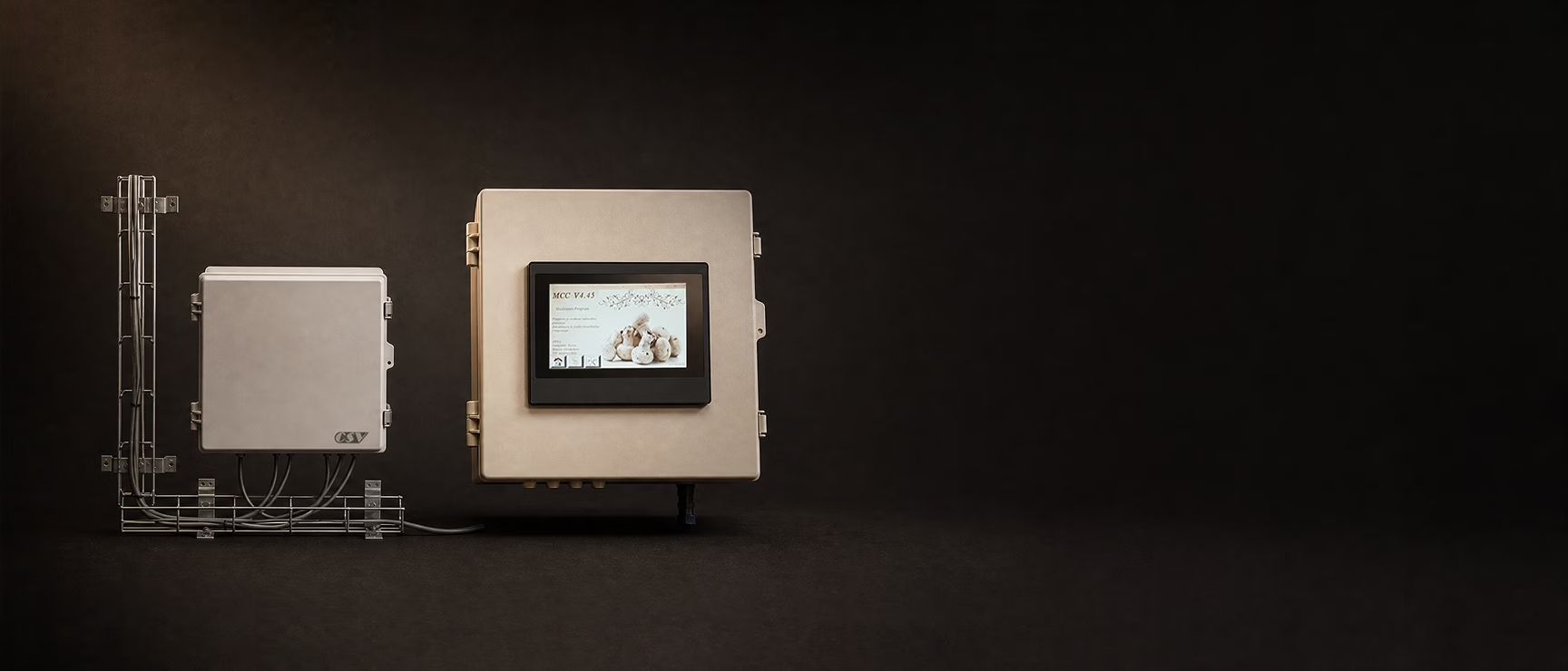
Our systems and devices are based on standard industrial technology. The components are carefully selected, coordinated with each other, and form a functional unit. They are housed in high-quality enclosures that are resistant to the specific operating conditions in open and closed-loop greenhouses.
The result is reliable, long-term operation with minimal maintenance. In the event a replacement part or service is needed, components are readily available from us or directly through a large network of industrial equipment distributors.
02 - Open architecture and protocols
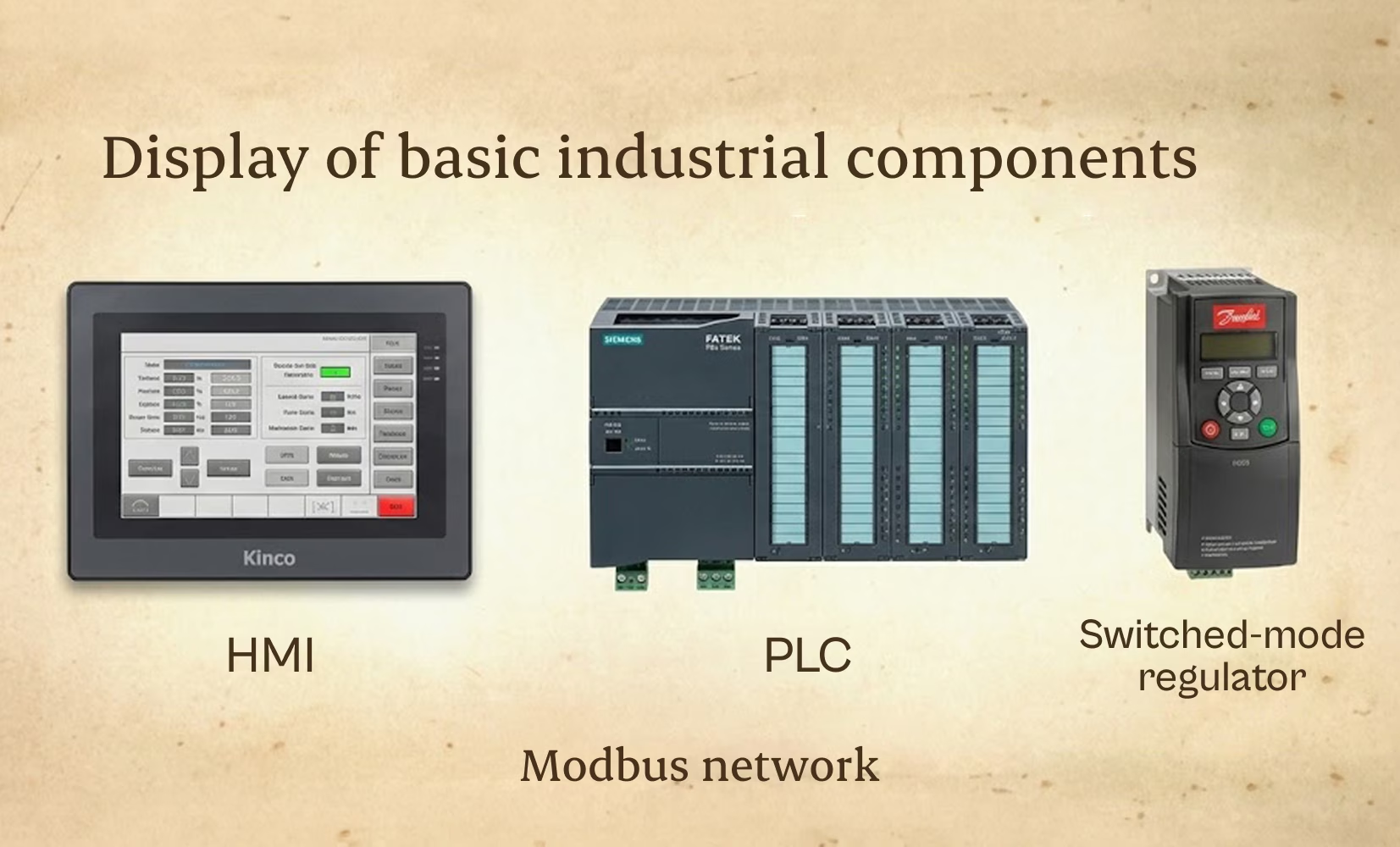
The complete control software is embedded in the PLC devices and terminals. The system operates stably and autonomously, without requiring an internet connection. License renewals or subsequent updates are not necessary. Remote monitoring and remote communication are optional, not a requirement for operation.
Thanks to its open architecture and standard communication protocols, the system remains functional regardless of changes in computers and operating systems. Data integrity and full control over the process remain with the equipment user at all times.
03 - Modular topology
The systems are designed as open, modular structures that are easily adapted to new technologies and can keep pace with the development and expansion of production capacity.
Adding new measurement points (such as probes in compost or fluid temperature measurements) does not require modifying the control unit. Integration is accomplished by adding the appropriate input/output modules and peripheral components.
04 - Standard industrial components
All peripheral modules and transducers are based on open standards. Whether you are measuring temperature, voltage, pressure, or controlling actuators (valves, dampers, pumps), you are not restricted to using components from a single manufacturer.
The control software enables easy integration, addressing, and reliable data exchange with standard industrial equipment from various brands.
Connection and integration
05 - MADS Interface and Integration of Third-Party Equipment
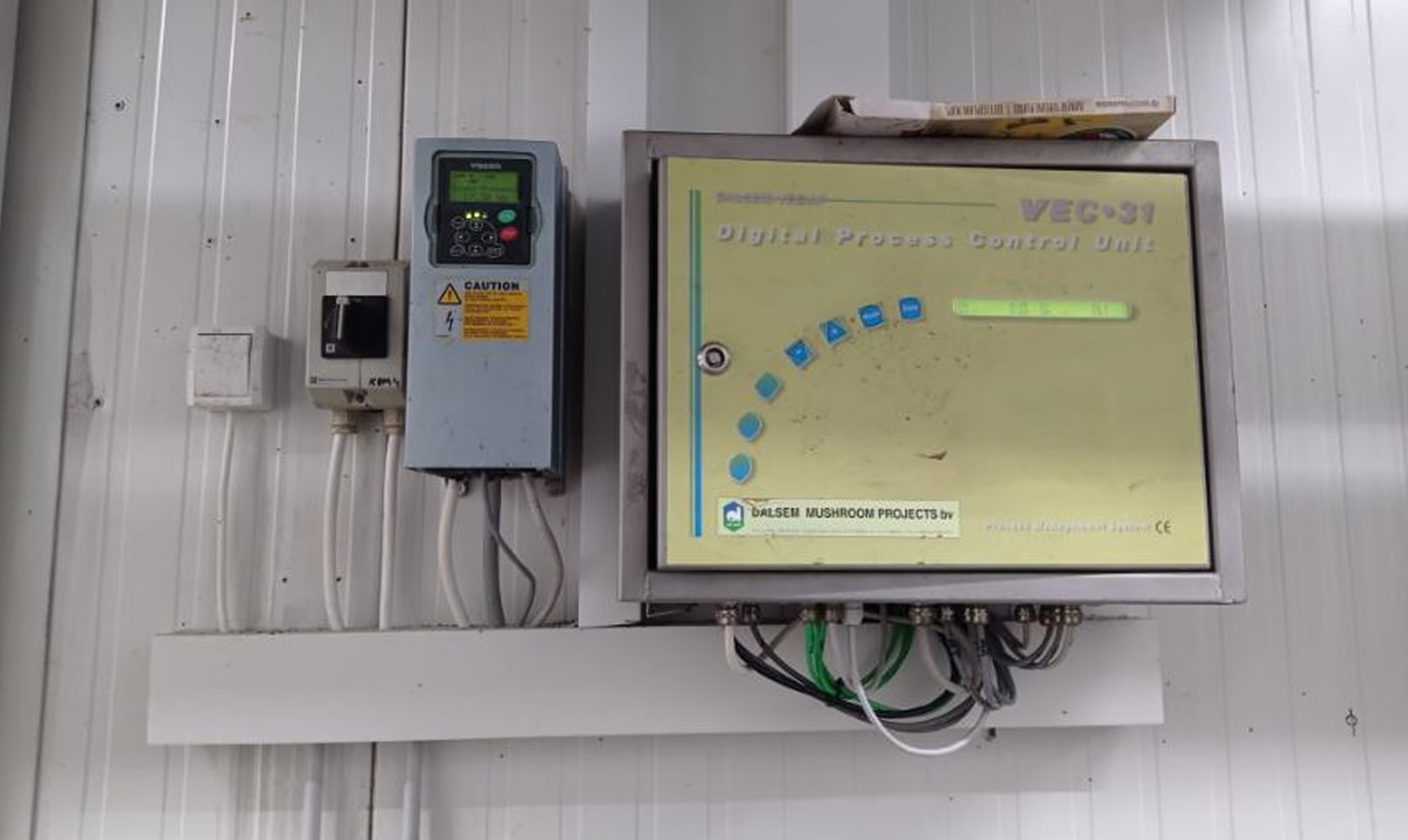
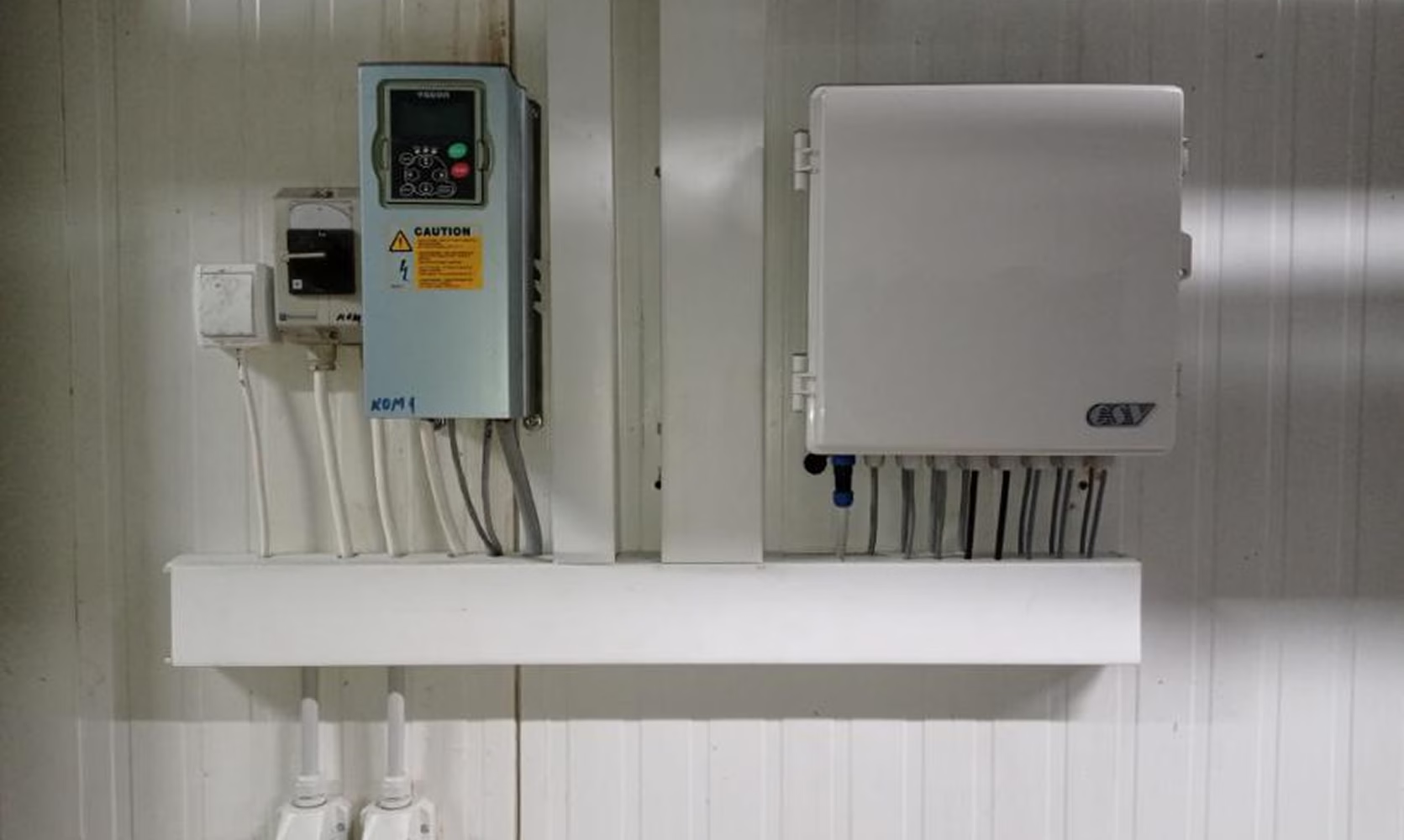
Facility modernization doesn't require replacing machinery, climate chambers, or installations. This is where the MADS interface plays a key role - a module that allows the most diverse existing equipment and actuators to be connected to our system.
A practical example is Dutch-made climate chambers with outdated controls: the complete mechanics and existing frequency controllers were retained, and by installing the MADS interface and connecting via the OCD-Link connection, the existing equipment is seamlessly integrated into the system.
06 - OCD-Link
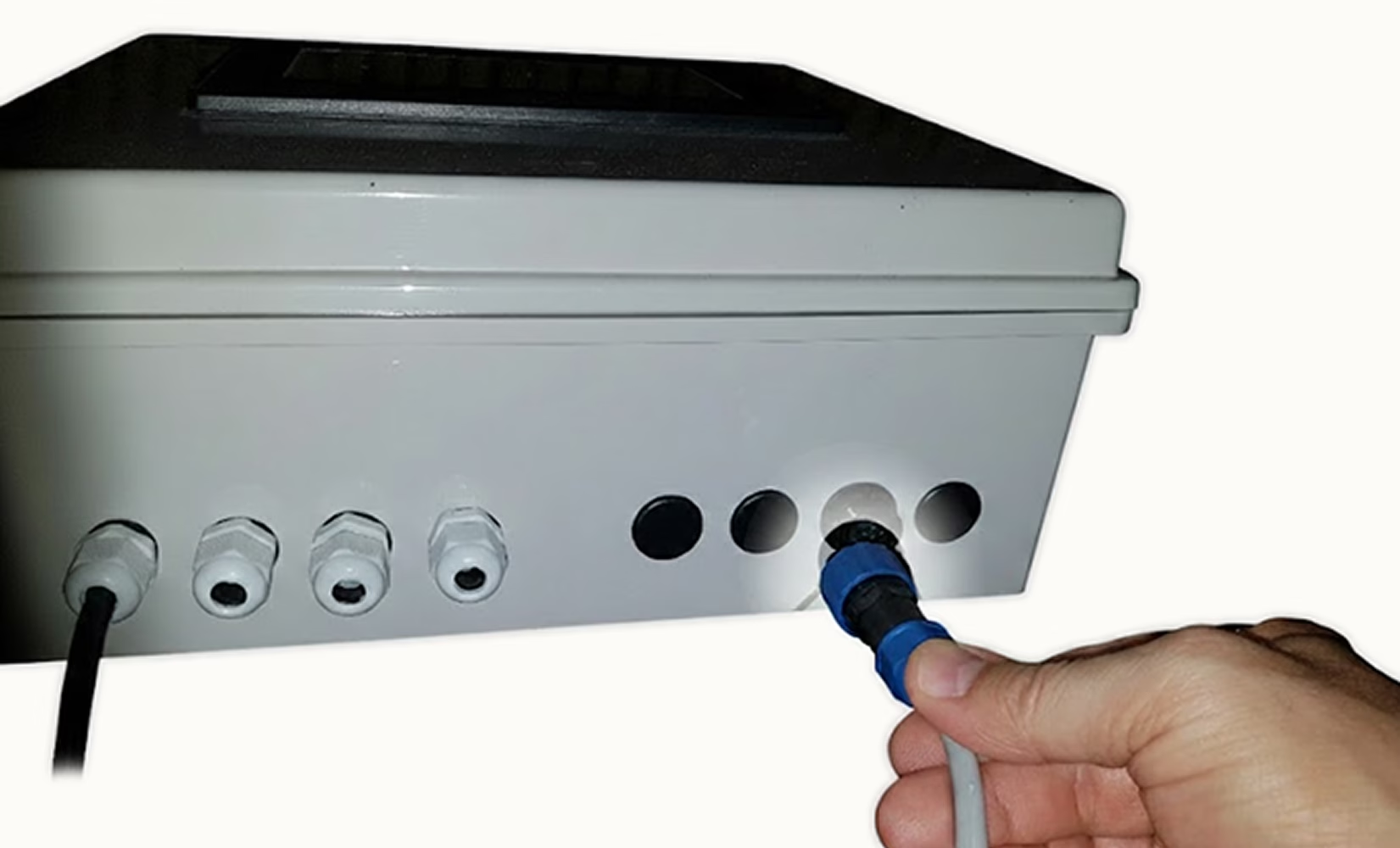
Instead of a tangle of cables and miles of copper, the entire system is connected by a single, reliable digital line.
Ammonia, moisture, rodents, and miswired cables are no longer a source of false readings or noise. Digital communication eliminates errors - the connection either works flawlessly or immediately reports an outage. There are no inaccurate data points.
Software and process management
07 - Four Levels of Access
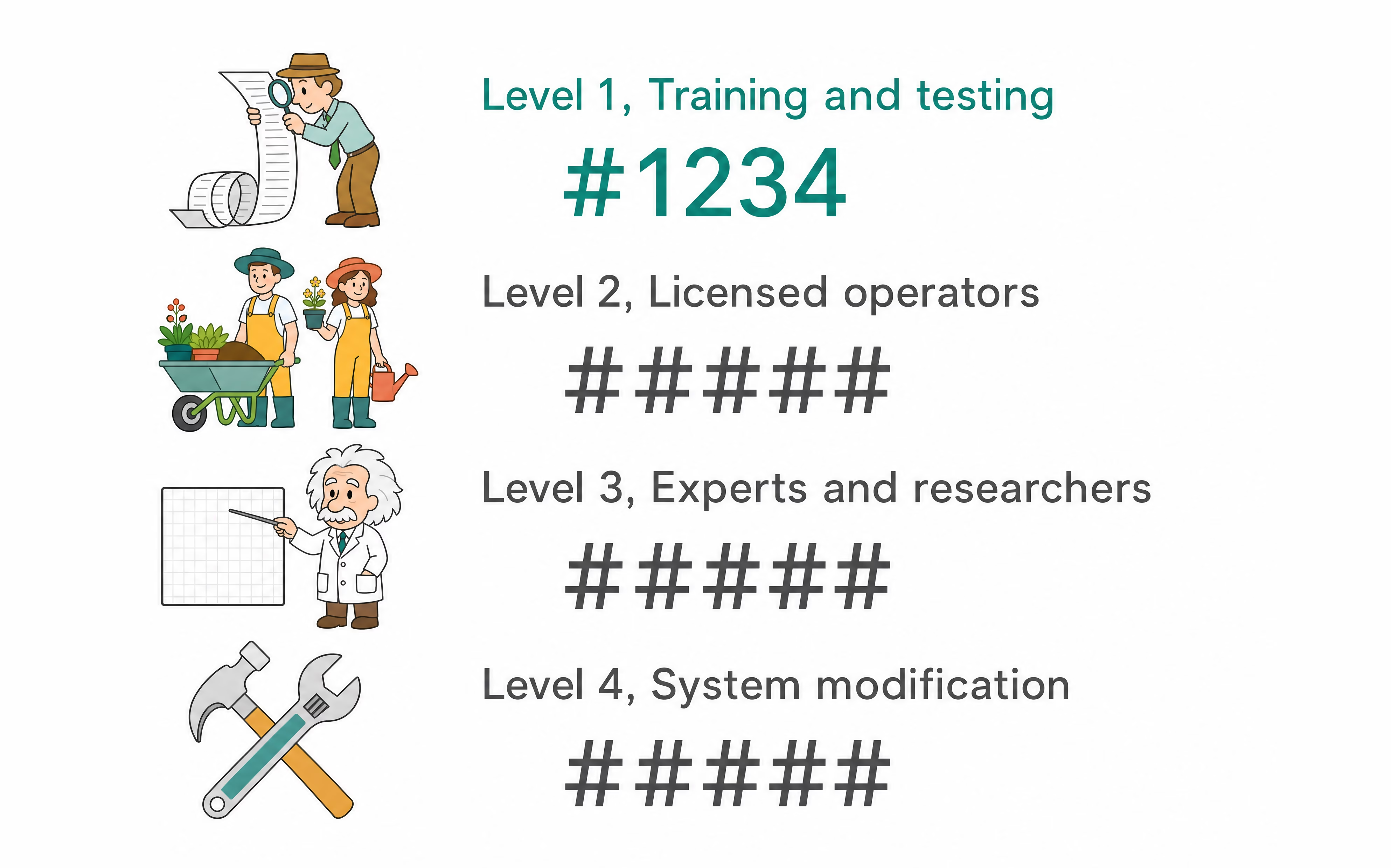
System access is divided into four precisely defined levels. Each profile only sees and controls the parameters that correspond to its role in the plant:
L1 - Training & Testing: With just three basic screens, reliable guidance and monitoring of the entire process is enabled. Ideal for training and routine operation.
L2 - Licensed Operators: Experienced operators are allowed to view and correct operational parameters during the process.
L3 - Experts & Researchers: Users with their own technology and researchers can create and permanently save unique recipes.
L4 - System Administrator: Full access to configure system parameters and assign user access rights.
08 - Built-in Recipes
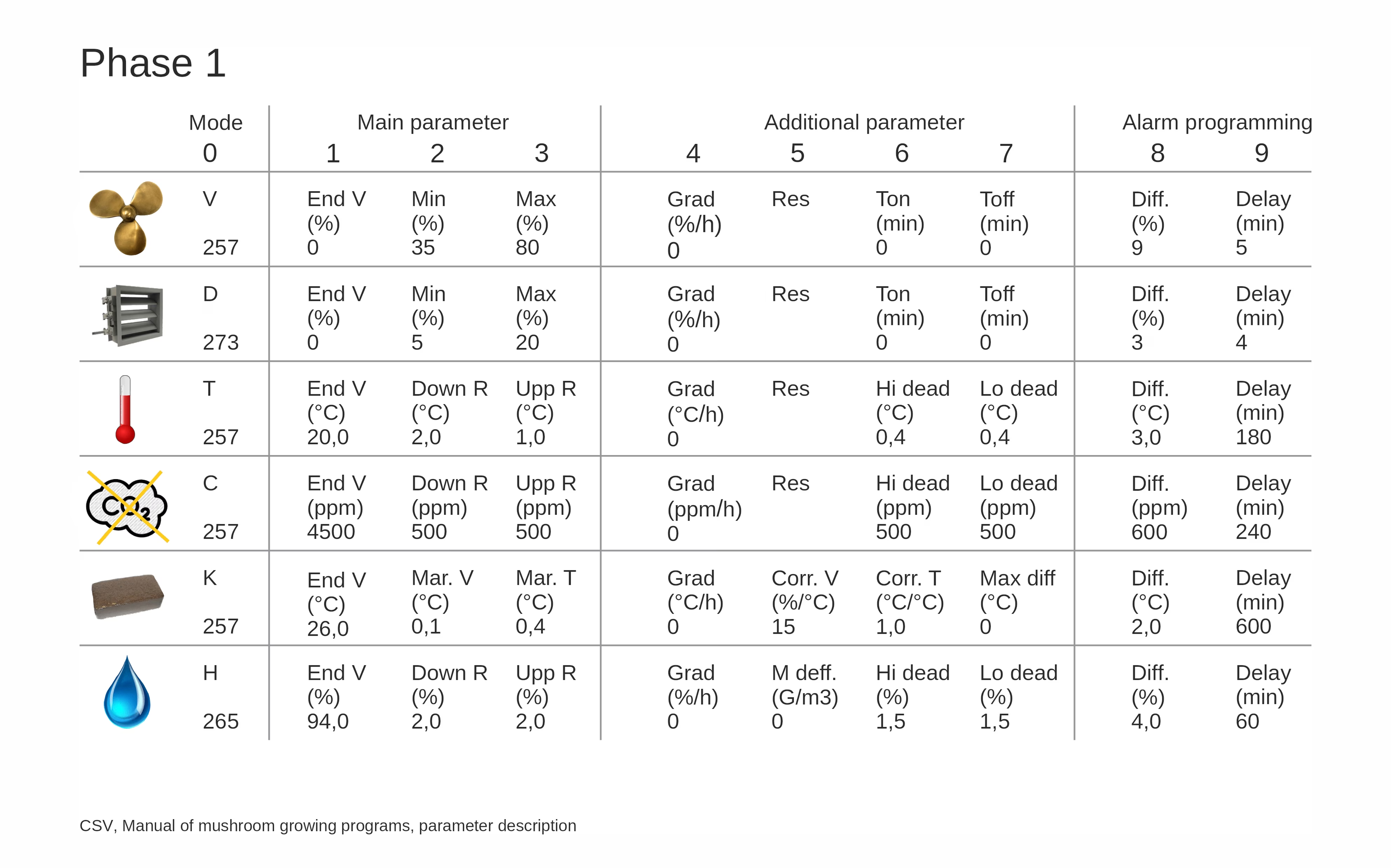
MYCO does not require manual programming from scratch. Over 2,000 system parameters and proven process recipes are preloaded into the system.
By selecting the desired phase, MYCO automatically activates the corresponding parameters from its internal database. This eliminates the risk of human error and enables a quick start to production.
More fine-tuned adjustments to your compost's specific characteristics or the facility's microclimate are still possible, but they are not a requirement for a safe start-up.
09 - LDS-4P algorithm (mechanical empathy)
Instead of classic PID control, our systems use the proprietary LDS-4P algorithm - a solution developed and optimized specifically for the non-linear dynamic processes in mushroom growing facilities.
We base our control principles on what we call mechanical empathy - MYCO guides the process continuously and calmly. LDS-4P learns and stabilizes the process, without constant trimming and unnecessary equipment wear and tear.
Stability: A microclimate without fluctuations and temperature shocks.
Savings: Optimized consumption of thermal and electrical energy.
Longevity: Drastically longer service life for valves, actuators, and the entire executive mechanism.
10 - Enthalpy-based guidance
While advanced energy-saving HVAC systems use only the outdoor temperature, our system goes a step further. The process is controlled based on enthalpy and moisture deficit, ensuring guidance is based on the total energy contained in the air (temperature and humidity).
By comparing the characteristics of the outdoor and indoor air against the current technological process, the system activates ventilation and air conditioning at the ideal moment, achieving significant savings in heating and cooling energy during transitional periods and specific operating phases.
Mechanics and Safety
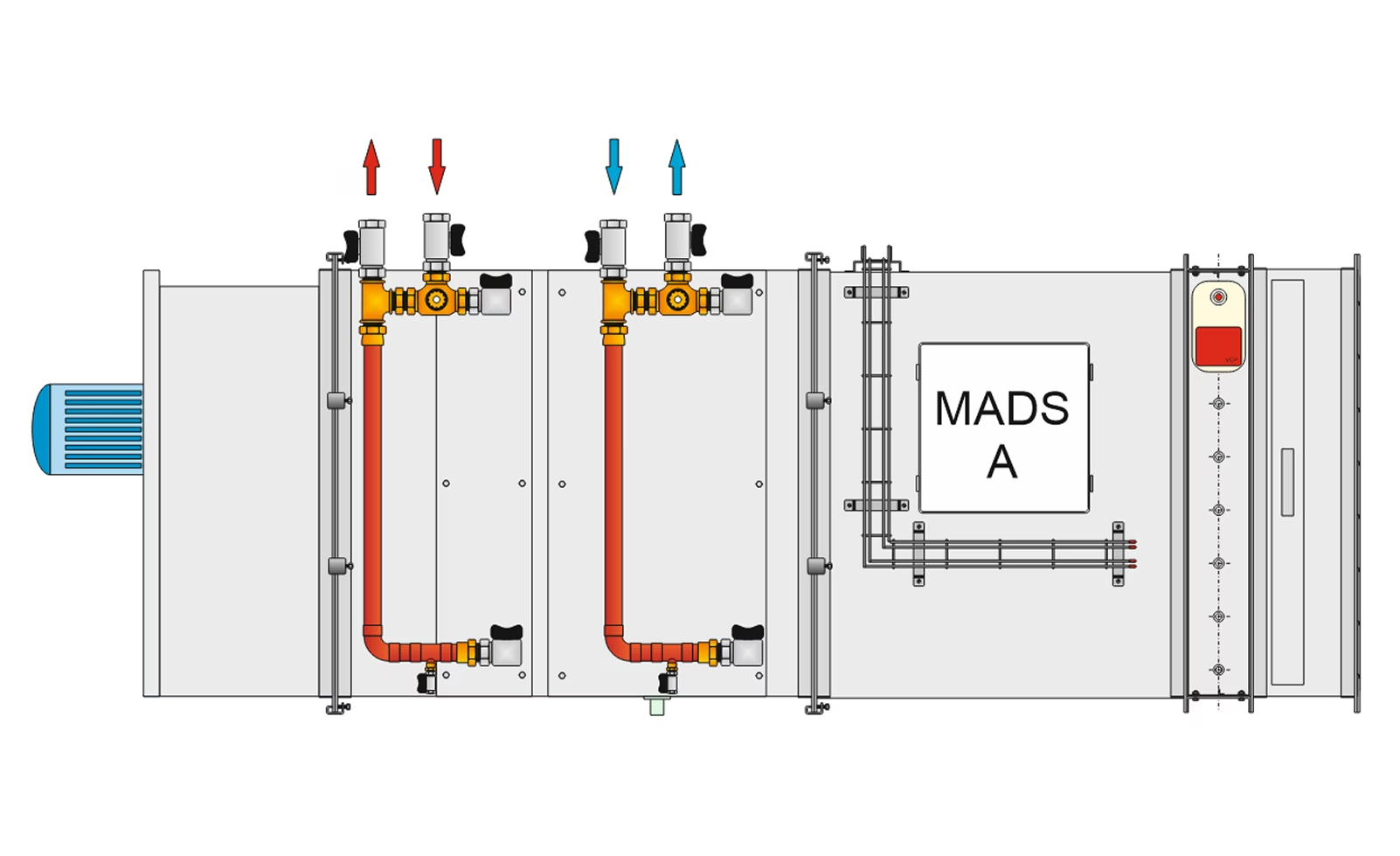
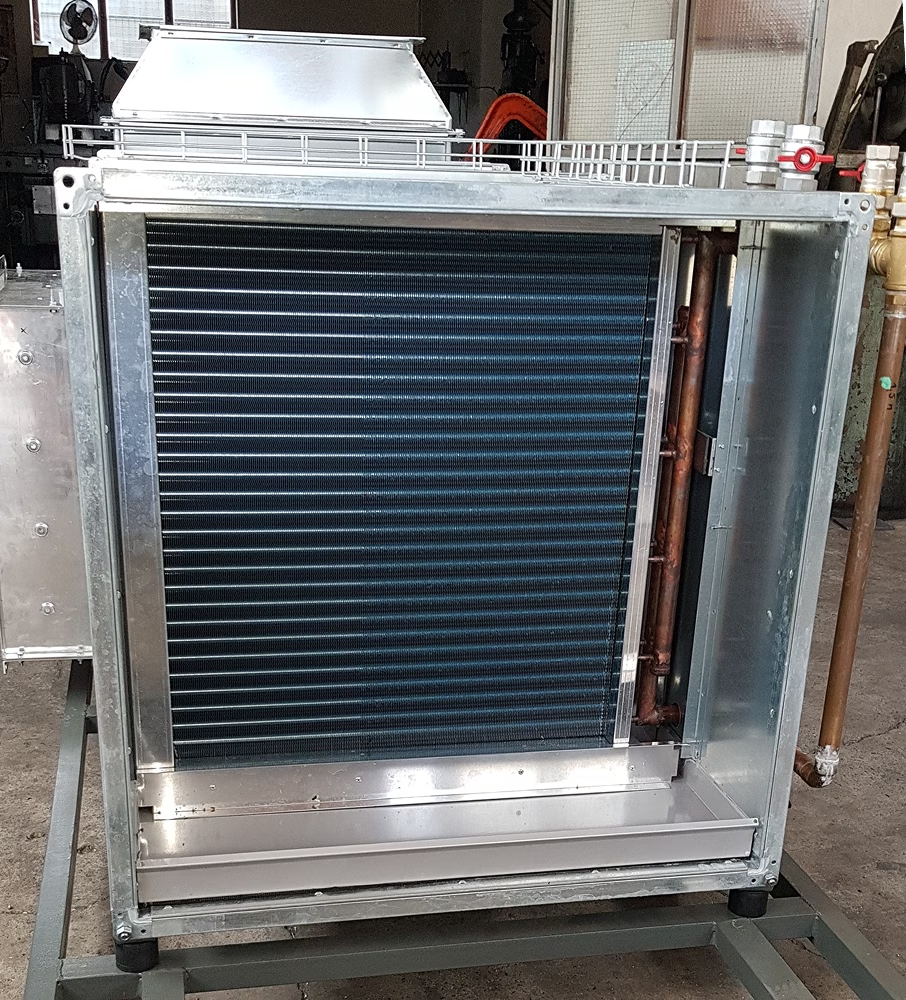
11 - AHAT: reduced resistance to current flow
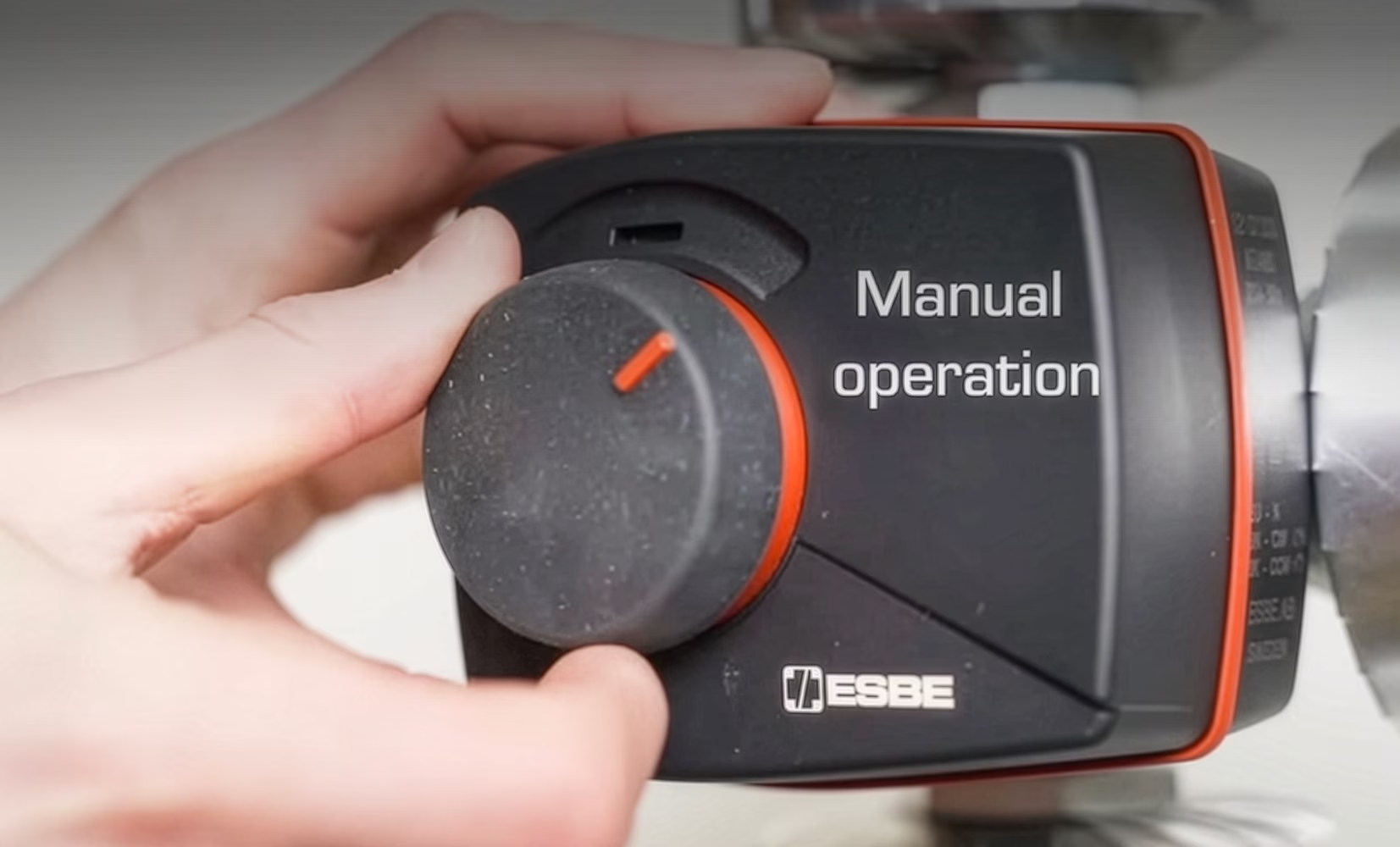
12 - Manual mode in case of steering failure
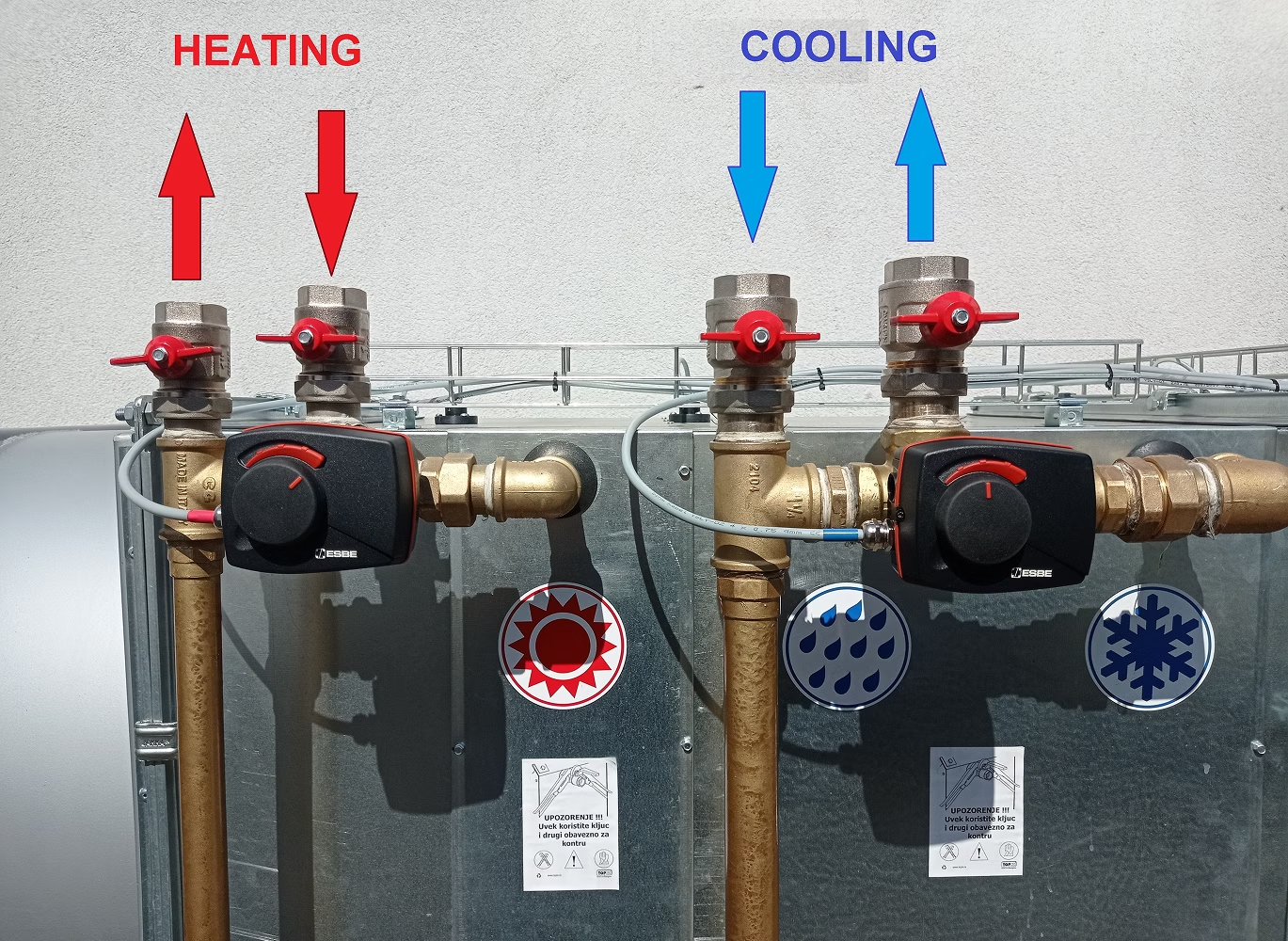
If the main control fails, the system is not left without control. All actuators on the climate control box can be operated manually.
Using the mechanical manual controls, the operator takes over the operation of the ventilation, heating, and cooling, and maintains the conditions in the grow room until service arrives.