The problem and the solution
Fluid heating in the piping
In standard systems, circulation pumps operate at constant power, regardless of chamber requirements. Due to internal friction and hydrodynamic resistance, the pump transfers kinetic energy to the fluid, which raises the temperature of the water or glycol. Even when cooling is turned off, the chiller consumes energy to combat the heat generated by the pumps themselves within the insulated piping.
Flow regulation instead of fixed pressure
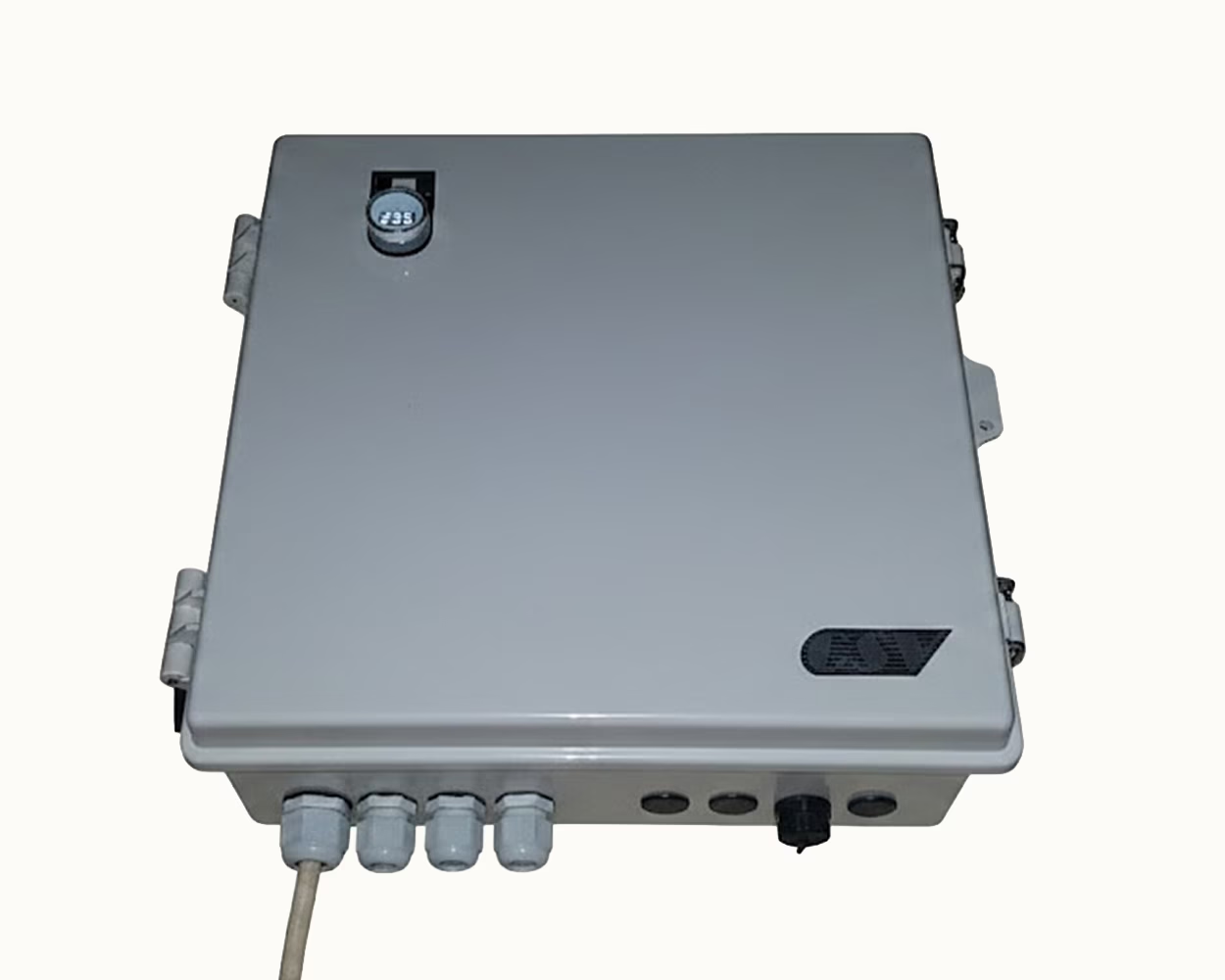
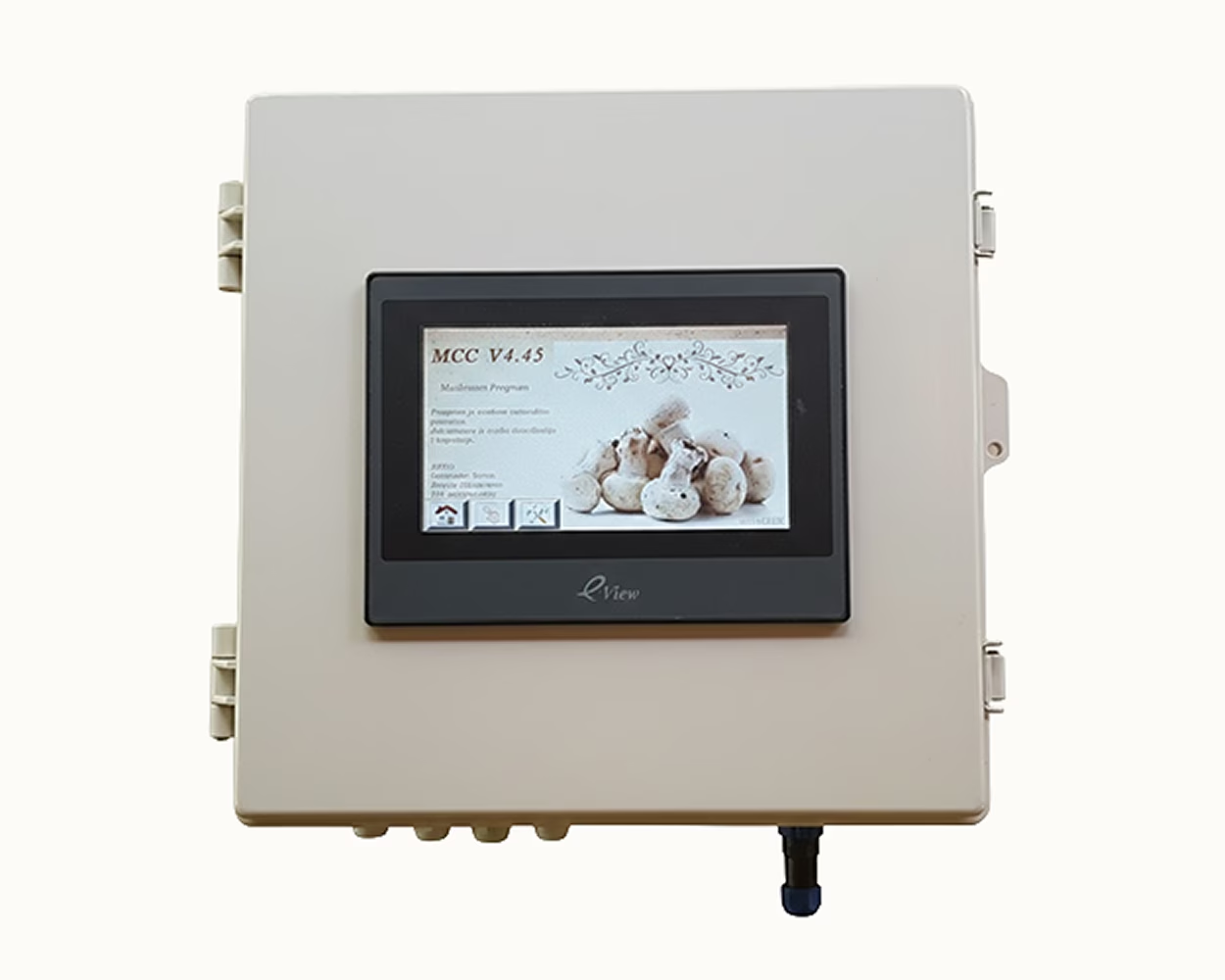
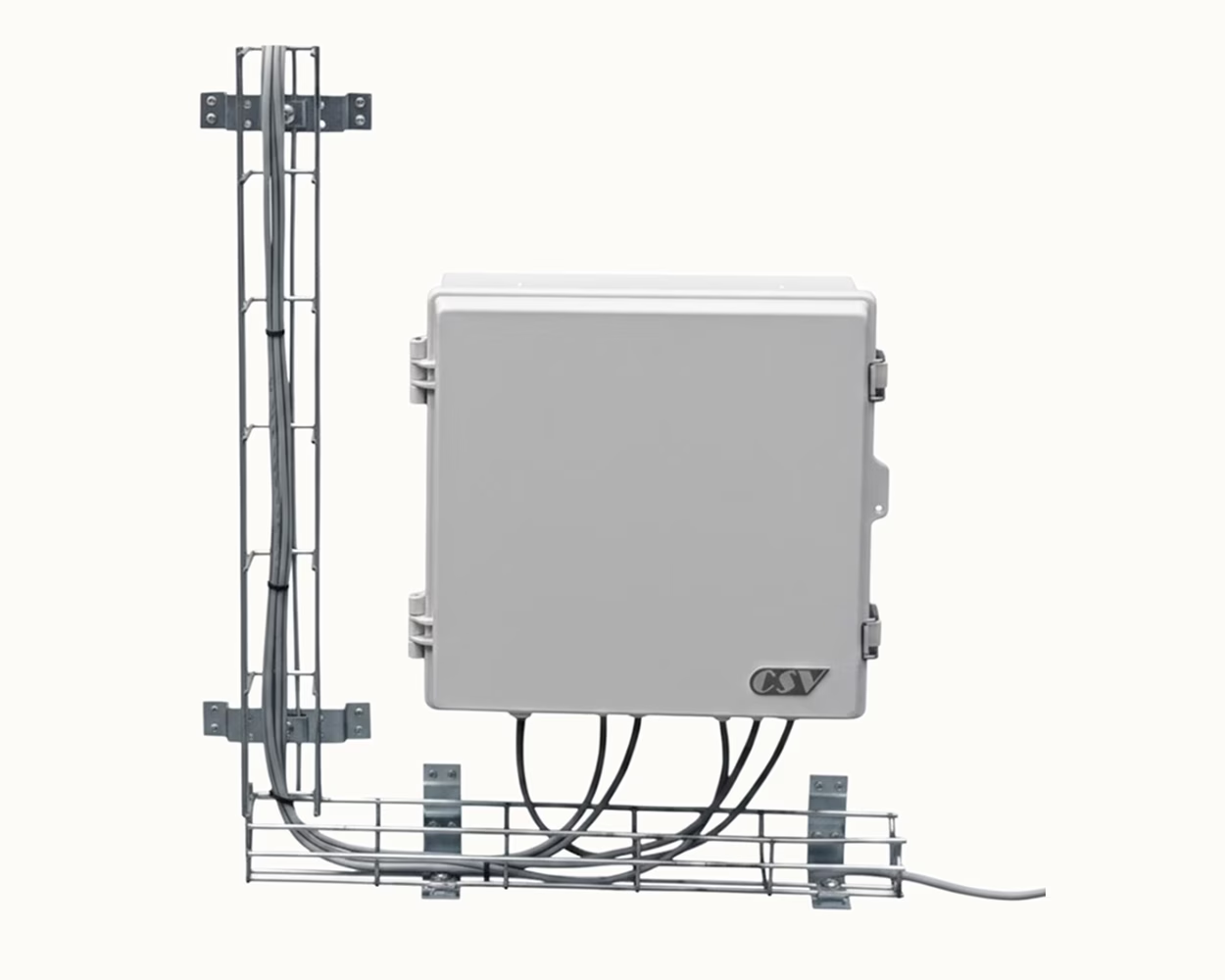
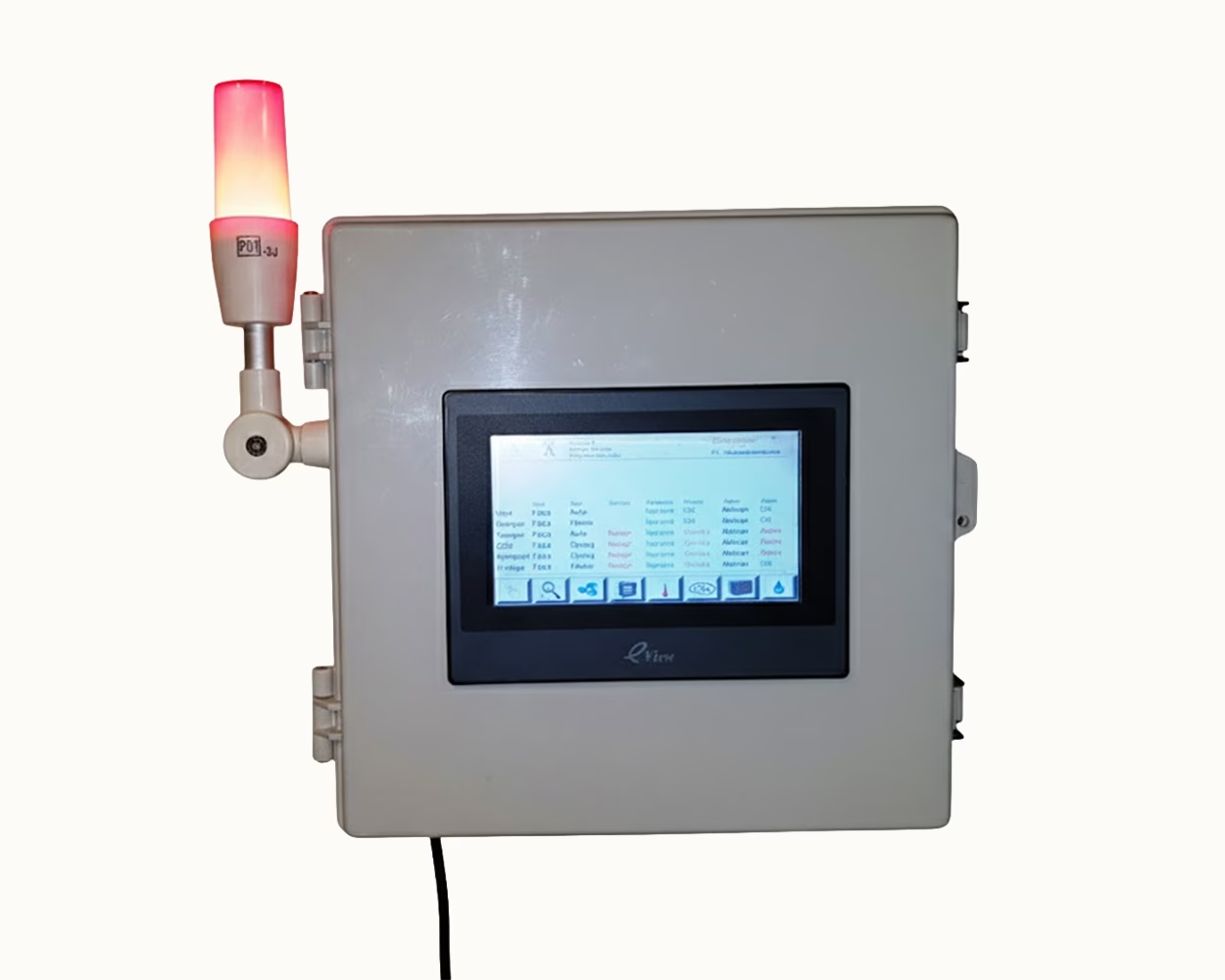
Via the C-Link connection, PUMU collects real-time data on the energy requirements of each room individually. Instead of maintaining fixed pressure, pump power is adjusted to actual demand, minimizing hydraulic losses and fluid heating.
Features
Fewer chiller starts
Less fluid heating means the cooling unit remains off for longer, especially at night and during transitional periods.
Utilization of outside air
The system can use naturally cool air for cooling, without consuming electricity to run pumps at full capacity.
Longer pump lifespan
Lower power usage and fewer operating hours mean less wear and tear on mechanical seals and motor windings.
No hydraulic shocks
Electronic speed control prevents hydraulic shocks and cavitation, ensuring the motor runs smoothly without overloading.
Savings of up to 40%
Reduction in electricity consumption for circulation pumps.
Autonomous operation
The system adapts to changes in the production cycle without operator intervention.